

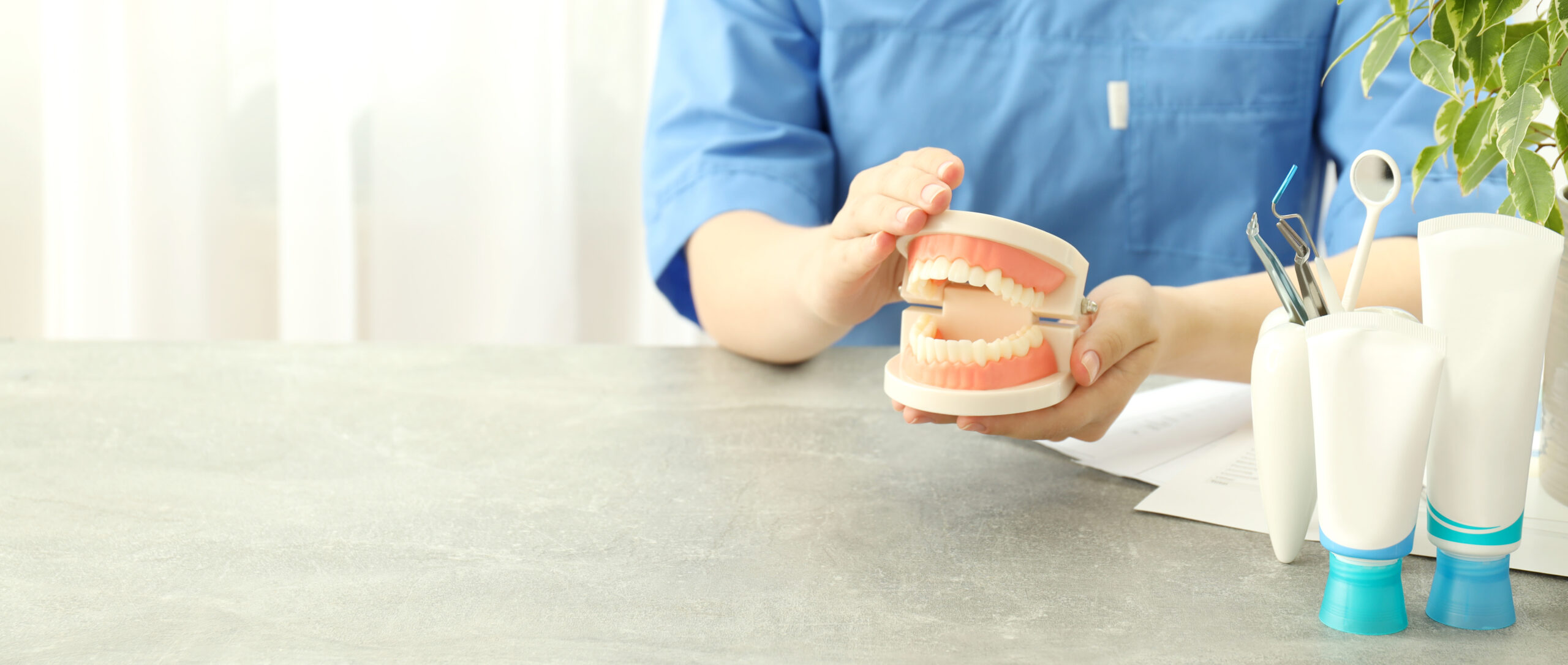
Losing one or more teeth changes more than a smile. It changes how you chew, how you speak, and how confident you feel when you laugh in front of your kids or coworkers. If you have been weighing dental implants against dentures and are not sure which path fits your life, the answer usually comes down to your bone health, your budget, and how much daily upkeep feels manageable.
As two female dentists who built Countryside Dental with women and families in mind, we sit down with patients like you every week to work through this exact decision. We do not throw dental jargon at you and hope it sticks. We use plain language and real comparisons so you walk away actually understanding your options, not just holding a pamphlet. Below, we compare dental implants and dentures side by side so you can see how each one holds up over time.
How Dental Implants Work
A dental implant replaces a missing tooth from the root up. We place a small titanium post directly into the jawbone, and over several months, the bone fuses to the post in a process called osseointegration. Once healing is complete, we attach a custom crown on top that matches the shape and shade of your surrounding teeth.
This root-level design is what sets implants apart. Because the post takes the place of your natural tooth root, it keeps the jawbone stimulated the way a healthy tooth would, and that stimulation matters more than most people realize because the jaw needs regular pressure to maintain its density. For patients who want the most precise placement possible, we also offer Yomi robotic-assisted surgery, a technology that helps guide implant placement with a level of accuracy that gives both us and our patients extra peace of mind. Patients often describe implants as feeling and functioning like their own teeth, which makes eating a steak or biting into an apple far less stressful than it can be with removable options.
How Dentures Work
Dentures sit on top of the gums rather than inside the bone. A full denture replaces an entire arch of teeth, while a partial denture fills in gaps around teeth you still have. Traditional dentures rest on suction and gum contact alone, while screw-down dentures and snap-on dentures anchor to a small number of implants for extra hold and confidence.
We often compare a traditional denture to a well-fitted glove. It covers what it needs to cover, but it can shift if you laugh too hard or bite into something firm, and it needs to come out at night for cleaning and gum rest. Snap-on and screw-down dentures solve some of that movement by clipping or securing onto implant posts, giving you sturdier footing without the cost of replacing every tooth individually. For patients missing a full arch, all-on-x treatment combines several implants with one fixed denture, offering a full-mouth solution that feels far more secure than a removable option.
Comparing Cost, Comfort, and Longevity
Cost is usually the first question patients ask, and it is a fair one to ask us directly. Dentures typically carry a lower upfront cost than implants, which makes them appealing if your budget is tight or you need a faster turnaround. Implants ask for a larger investment at the start, but that investment often pays off over the years, as a well-maintained implant can last decades, while dentures usually need relining or replacing every five to ten years as your gum tissue changes shape.
Comfort tends to favor implants once healing is complete, because there is no plate covering the roof of your mouth and no risk of slipping while you eat or speak. Dentures have come a long way in fit and materials, and many patients adjust well, especially with the reassurance of our comfort menu during any procedure along the way. When you are deciding between the two, it helps to weigh a few factors together before making a final call:
- Bone support: Implants require enough healthy jawbone to anchor the post, while dentures can work even after some bone loss has occurred.
- Daily maintenance: Dentures come out for cleaning each night, while implants are cared for like natural teeth with brushing and flossing.
- Recovery time: Implants involve a healing period of several months, while dentures can typically be fitted and worn much sooner.
- Bite strength: Implants restore a bite force close to natural teeth, while dentures generally support a lighter bite.
- Long-term value: Implants carry a higher initial cost but often need fewer replacements over a lifetime compared to dentures.
Every mouth heals and adapts differently, so these general patterns are a starting point rather than a guarantee. According to the National Institute of Dental and Craniofacial Research, adults ages 20 to 64 have lost an average of six to seven teeth compared to a full set, which is why so many women and families eventually explore implants, dentures, or a combination of the two.
Which Option Fits Your Smile
There is no universal winner between implants and dentures because the right choice depends on your bone density, your budget, and how much daily maintenance feels realistic for your life. Some patients choose a full set of implants for permanence, others choose traditional dentures for simplicity and cost, and many land in the middle with screw-down or snap-on options that combine stability with a lower price tag than replacing every tooth.
We start every consultation with a 3D CBCT scan so we can see exactly how much bone you have to work with before recommending a path. From there, we talk it through honestly, including what each option costs, how long it may last, and what your comfort menu choices look like on the day of your procedure, so you never feel like you are guessing alone.
Talk to Countryside Dental About Your Options
Dr. Bostic and Dr. Watts built Countryside Dental to feel like a place where women and families get real answers instead of a sales pitch, and where you feel cared for the moment you walk in. Our office uses CBCT 3D imaging, intraoral scanners, and Yomi robotic-assisted surgery to plan implants and dentures with a level of precision a standard exam cannot match, and we offer an in-house membership plan along with CareCredit and Sunbit financing for patients navigating insurance on their own.
If you are trying to decide between implants and dentures, we would rather sit down with you and talk through your specific smile than guess from a blog post. Reach out through our contact form to schedule a consultation, and we will walk you through what your bone structure, budget, and comfort mean for your best option.